
Why customer loyalty costs 5 times less than acquisition

Rocio Romero · 3 ago 2023
Studies show retaining customers costs 5 to 7 times less than acquiring new ones. Learn why loyalty pays off and how businesses can leverage this in competitive markets.
Numerous marketing and advertising studies have proven it: acquiring a new customer costs 5 to 7 times more than retaining an existing one. Why? There are several very clear reasons:
- Acquiring a new customer involves more spending on advertising, promotions, and sales efforts.
- When we acquire a customer, we begin to count on information about them and can adapt our marketing and sales strategies to meet their needs.
- A loyal customer has a relationship of trust with the company, its products, services, and sometimes even its employees.
- They value the product or service, which is why loyal customers show less price resistance.
- And what’s more, a satisfied customer can recommend your brand, which costs the company absolutely nothing.
By the numbers
A study from IE University states that 79% of companies consider it more expensive to attract a new customer than to retain an existing one.
However (take note!), they invest 60% of their marketing resources into acquisition.
Furthermore, things get interesting with data from a 2016 study by the market research consultancy TNS, which asserts that “some brands owe 74% of their sales-related revenue to their customer loyalty strategies.”
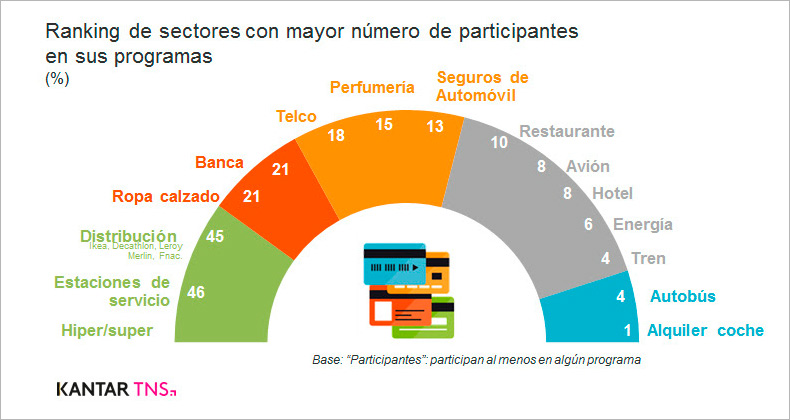
And here is the catch: Salesforce, in its Consumer Goods Industry Insights report, reveals that “83% of consumer goods decision-makers consider it more difficult than ever to retain customers.”
What conclusion have we drawn from this? It is clear that building customer loyalty can drive your sales, but in an increasingly global landscape, competition is fiercer than ever.
This makes it difficult to differentiate your brand, product, or service to consumers and, therefore, requires loyalty strategies with a twist that allow you to win their hearts.
Customer loyalty strategies
We live in a constantly changing environment, and like everything else today, loyalty strategies have changed too. Whatever happened to those Círculo de Lectores sales reps who brought the latest books, month by month, to their members' doors?
(Nostalgia mode on)
Nowadays, there are other formulas. Let us share some with you!
1. Points programs, coupons…
If there is one loyalty strategy we all easily recognize, it is the one based on points programs, coupons… the popular member clubs.
It is a very common practice in supermarkets, department stores, perfumeries, gas stations, or service stations…
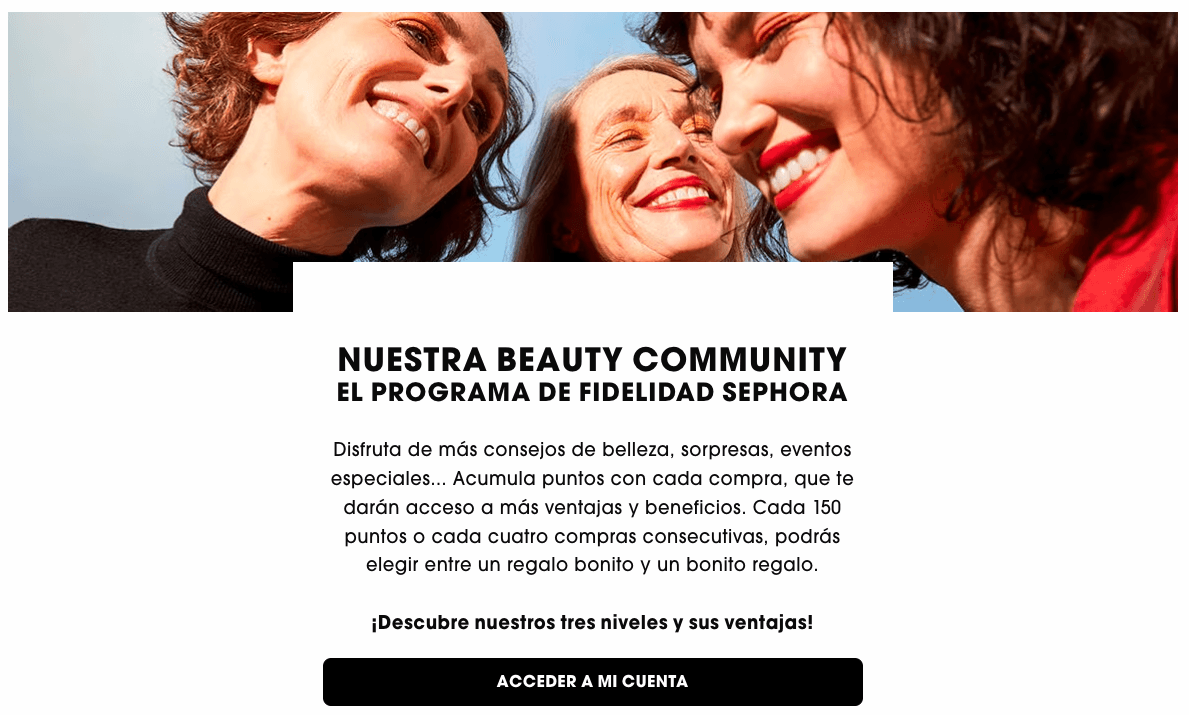
But it is also an action that, at Nömad, we are implementing more and more in fashion and cosmetics online stores… and it brings back loyal customers who return, for example in the case of cosmetics, with a fairly established periodic frequency (if their cream usually lasts them about 3 months, they purchase at that frequency).
This formula is especially beneficial if you sell products from other brands that your competition also sells, because it ensures they come back to you when it is time to buy again.
Furthermore, it allows the e-commerce to have more and more data on its customers and, therefore, be able to send increasingly personalized communications.
This type of loyalty program can also be based on redeeming points for merchandise. Large brands like McDonald's, Burger King, Fanta… do this regularly.
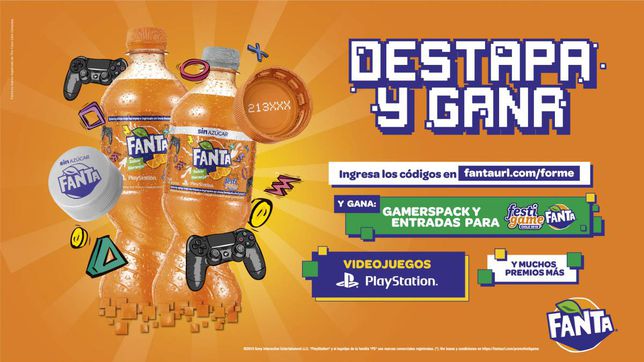
Though, watch out for the fine print! Do you know what happened to Pepsi in the 90s using this strategy? You can head over to Netflix and take a look at “Pepsi, Where’s My Jet?” to find out.
Give it a twist!
If you are going to implement a points or coupon program, give it a personal, creative touch that allows you to create true brand lovers.
Gamification works very well in loyalty programs. Turning the relationship between the brand and the customer into a game is a good tactic to connect.
2. 1-to-1 Email Marketing
Users are increasingly demanding more personal treatment: if I give you my data, it is so you can offer me a personalized experience.
And that is exactly how it is. In the cream example we mentioned in the previous section, we could send our customer a reminder every 3 months so they come back to buy their cosmetic treatment. Or we could even try to bring the sale forward by offering a free sample of a complementary product with their purchase or a discount. Don't worry! All of this can be automated.
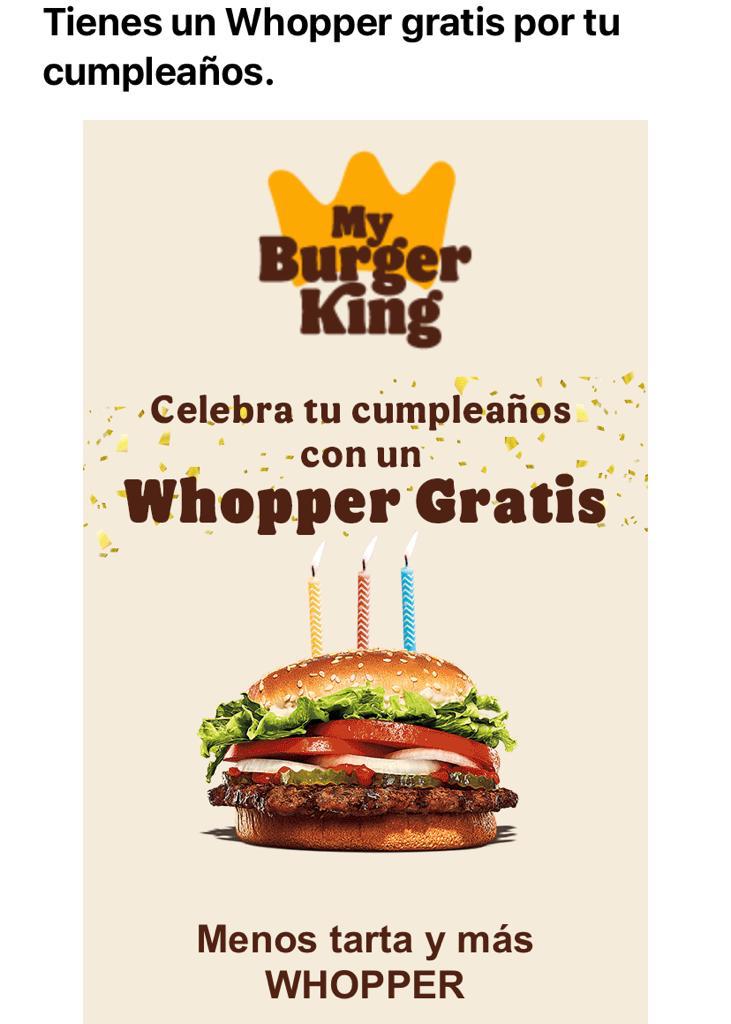
Another loyalty action via email marketing is the birthday gift. Hey, it still works. The customer feels special, and the more personal the text and the gift are, the more likely they are to engage by visiting the store, using a discount, or otherwise.
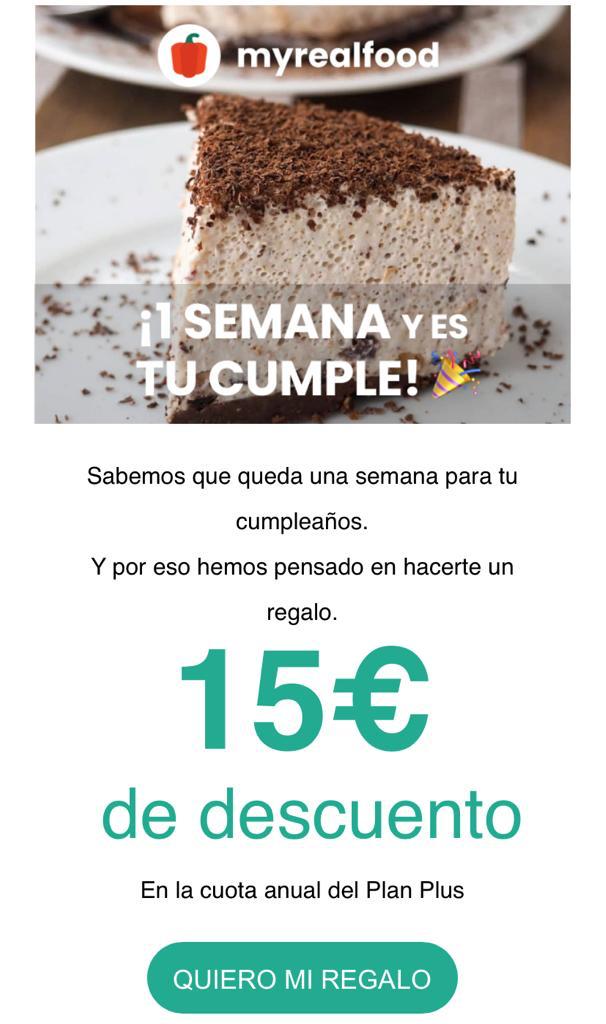
The trick to effectively carrying out this action within your strategy is in your database. We tell you more just below.
3. Building community on social media
If your customers become your community on social media, you will have a large part of the work done.
How to achieve this? There is no other way than by doing that hard work:
- You must know your customers, their interests, their concerns, and know why they chose you.
- Research what they follow, who they follow, and why.
- Discover what they see, what they feel, what they hear, what they think.
- Draw conclusions and work on a content strategy aligned with the above, which allows you to connect with your audience.
You already know that if you need help with your social media content strategy, at our advertising and digital marketing agency, we have been doing this for 10 years. You can count on us.
Give it a twist!
Beyond the ‘Hello my dear followers’ typical of influencers, a brand must be very, very, very attentive to its audiences and their interests to be able to connect with them.
A tip? Ask and measure: conduct surveys on your social media, ask customers with whom you might have a more personal relationship, evaluate the results of each piece of content, etc.
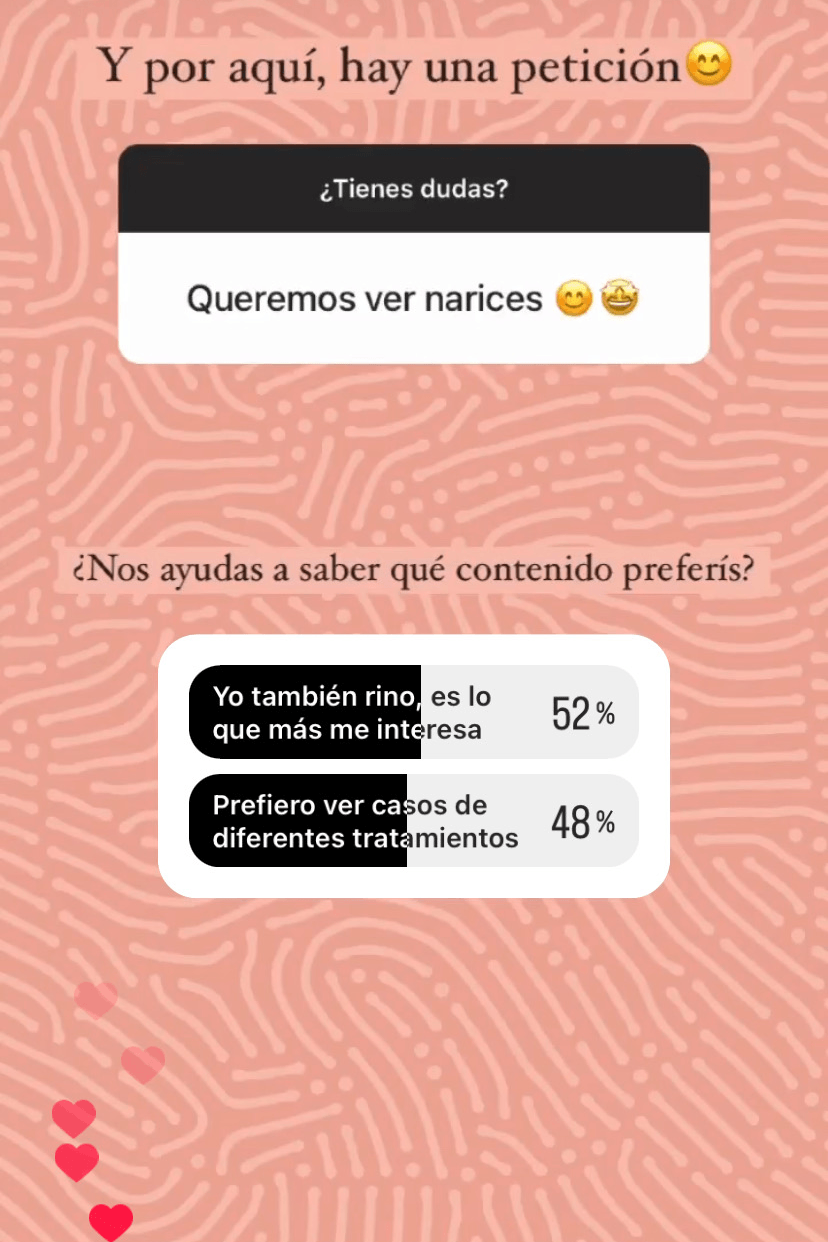
In this screenshot, a real example of one of our clients is shown. A facial surgery clinic that has a wide range of treatments.
After months of activity, we saw a supremacy of interaction in rhinoplasty cases, which were shared with the same frequency as other 4-5 star treatments.
Thanks to this survey, we were able to focus our content strategy on:
- 50% rhinoplasty content
- 50% content of the rest of the star treatments
And thus, we have improved our reach and engagement.
4. UGC (User Generated Content)
If you have achieved the above, UGC will come on its own.
STOP! What is UGC? It is content that the user generates about the brand. And in most cases, it is about customers showing their satisfaction after a purchase.
Our favorite example of UGC is Apple's Instagram account. The content is 100% generated by fans of the brand, and the strategy is based on sharing photos and videos that users have taken with their iPhone.
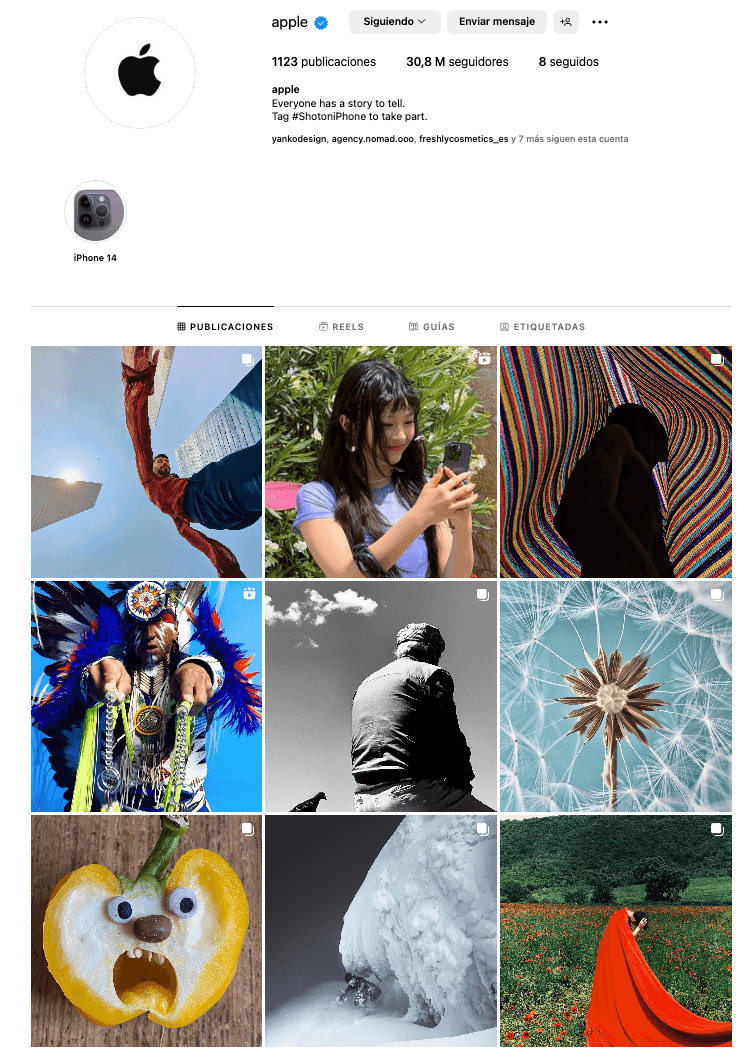
It is a rising trend in digital marketing that is working better and better. But what if my customers don't generate content about my brand? What do I do, Nömad?
We leave you with two possible actions:
- Exclusive sweepstakes or contest, in which the user is involved by asking them to upload a photo featuring the brand, an establishment, or similar. Only those who have tried your product/service will be able to participate.
- Action in the establishment or point of sale. In exchange for a discount or a gift, the customer uploads content to social media. It is common in restaurants: in many, they give you a free drink if you share a post or a review.
5. Exclusive events for customers
Events are also great opportunities to build customer loyalty. Although we will not go into depth on this point, we just want to recommend that there always be a reason to celebrate an event: anniversary, presentation of a new product or service, etc.
The importance of data for customer loyalty
As we anticipated a few lines ago, one of the main keys to building customer loyalty is to offer them a personalized, tailor-made experience.
Therefore, and keeping in mind that Google is still determined to eliminate cookies in 2024, it is essential to have a high-quality database: with relevant information about each contact, segmented as much as possible, continuously enriched through automation and, ultimately, allowing you to communicate with your customer one-on-one.
We encourage you to start by working on your database and then crowning it with your loyalty strategies.