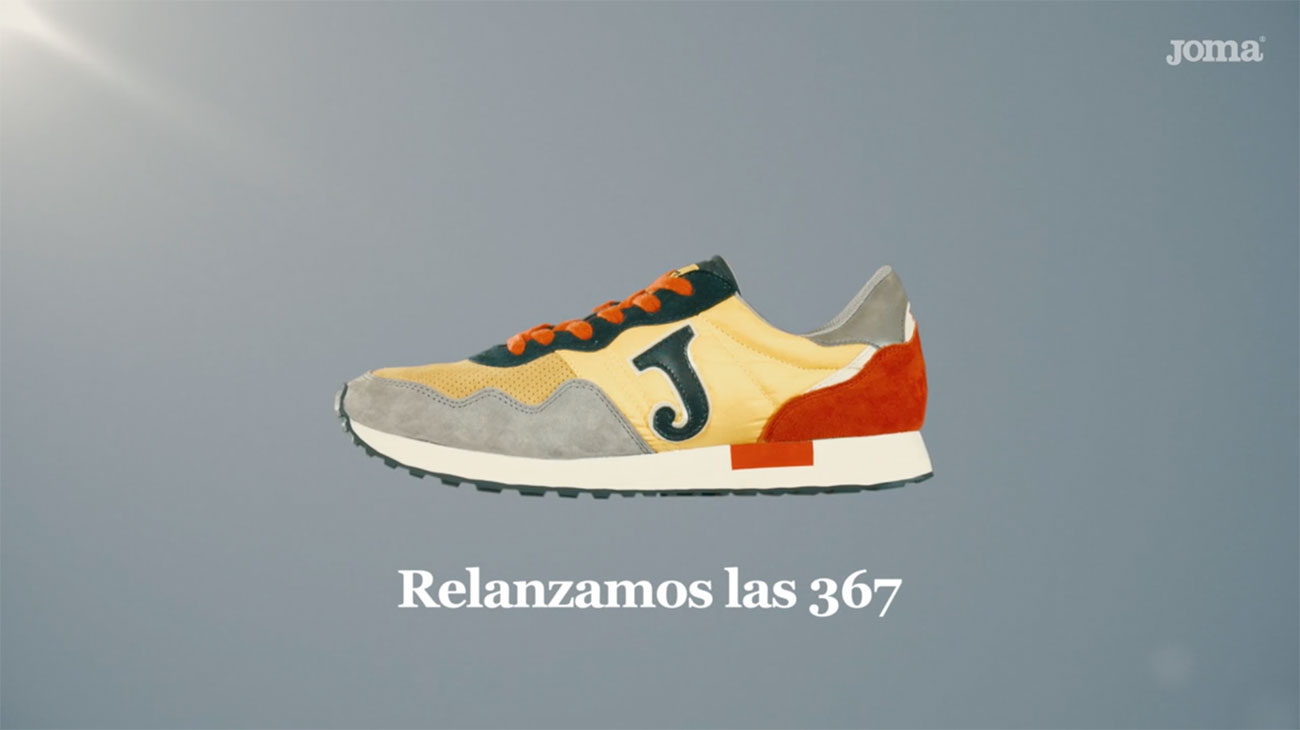
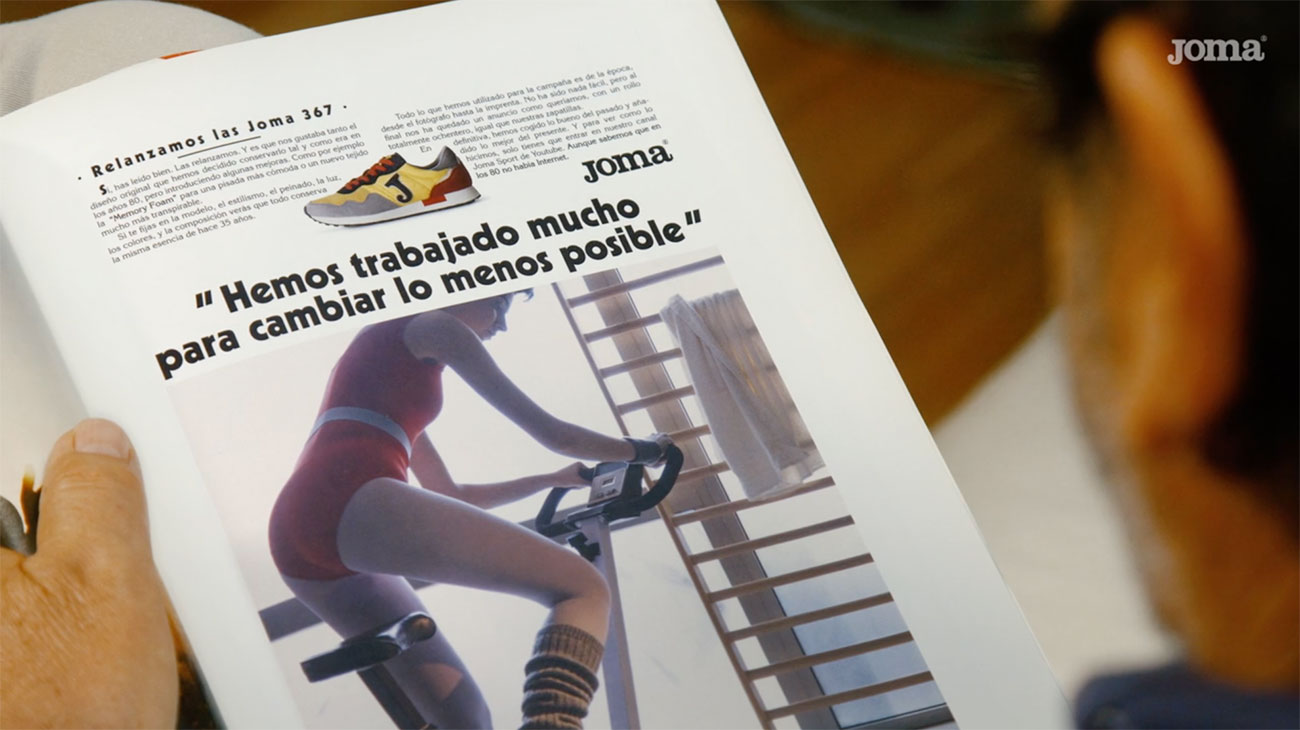
Sportswear brand Joma has faithfully relaunched its iconic Joma 367 sneaker by replicating the original 1981 creative process. A nostalgic spot documents the craftsmanship and expertise of veteran Spanish advertising professionals.
Posts
Ideas, copy and a content calendar that sound like your brand
The sportswear brand Joma has relaunched its Joma 367 sneaker model. They wanted to follow the same process they used in 1981, when it was presented at the Berlin Footwear Fair. Exactly the same, step by step, using the material and human resources of those years. All of this is captured in a spot that pays tribute to an entire era by reviewing this period in the history of advertising in our country.
A TRADE
The first thing they needed was professionals without fear of taking on such a challenge. They knocked on the door of José Luis Zamorano, founder of the agencies Tándem and Contrapunto, but he couldn't get on board. They also tried, unsuccessfully, with Ana Hidalgo and Juan Mariano Mancebo, creatives at Contrapunto in the eighties. Finally, José María Maeso, who worked as an art director at the agency in 1989, decided to accept the commission and got to work.
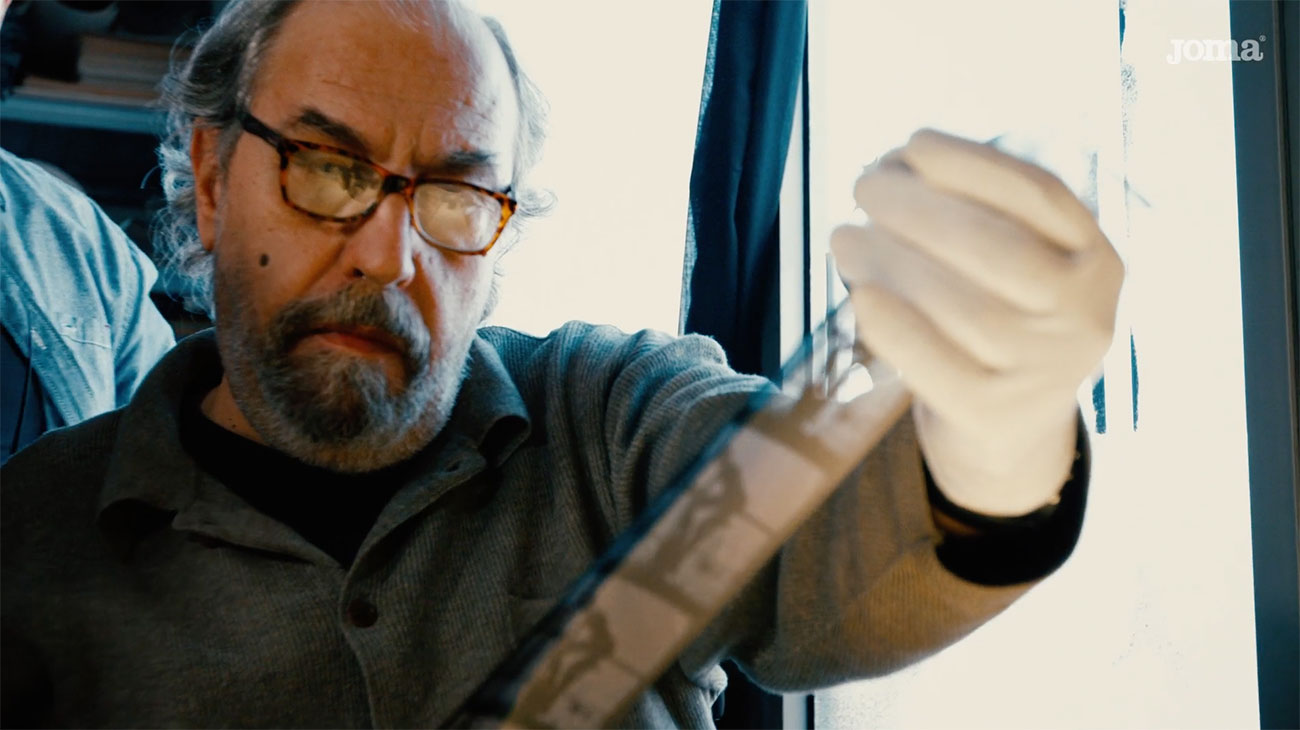
But the work didn't start and end with just one man. In addition, the process required the skills of Paco Moro, head of graphic production at Contrapunto, photographer Alejandro Cabrera, and Tino Mardomingo, a professional in photomechanics.
A perfect team for this trip to the past.
THE TOOLS
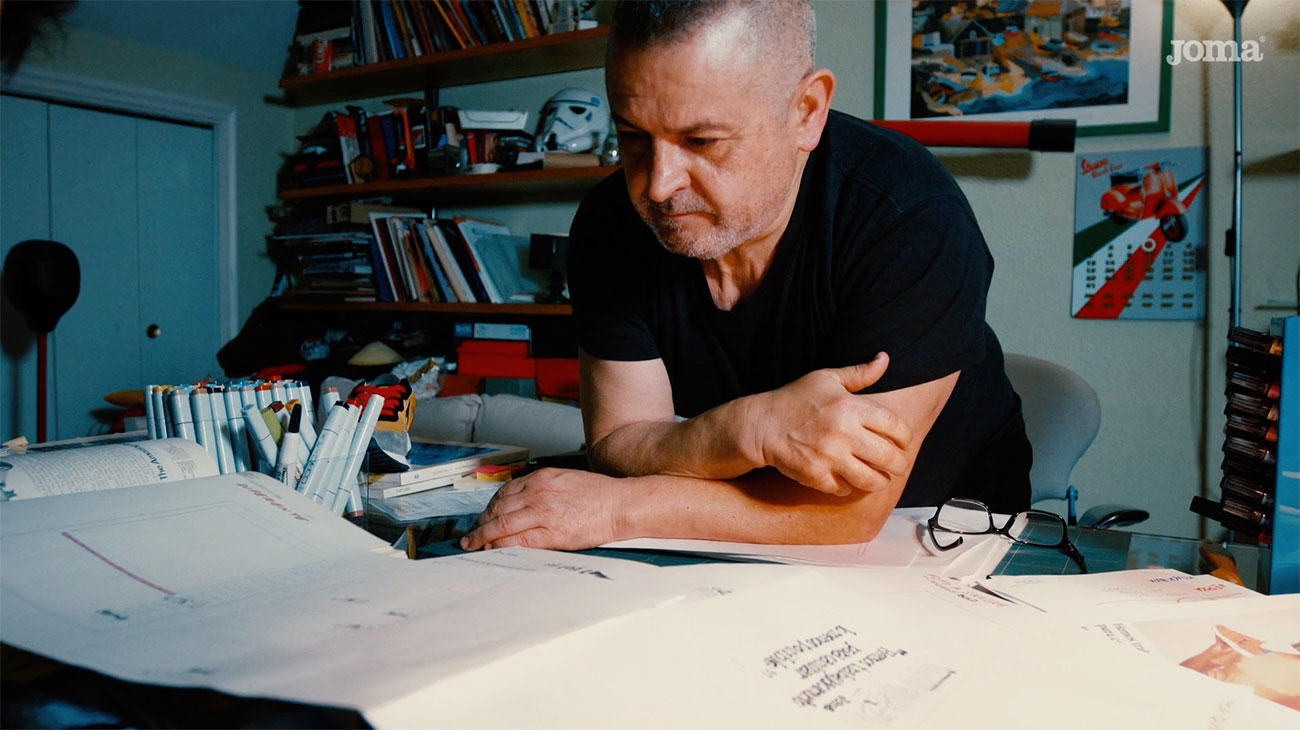
For the journey to be complete, these professionals had to equip themselves with their old tools. The designer dusted off his black books and his collection of Eddings. The photographer returned to the darkroom to develop. And the photocomposition professionals bought a Repromaster 2200 and a film recorder, the Photoshop of the time. “The process was slower, more laborious... more artistic,” notes Mardomingo.
THE TECHNIQUES
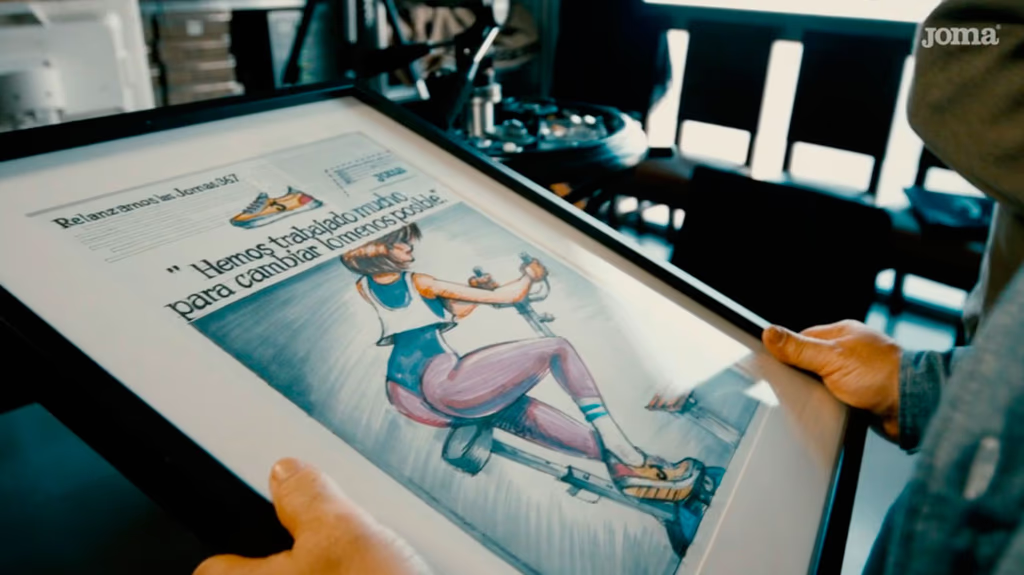
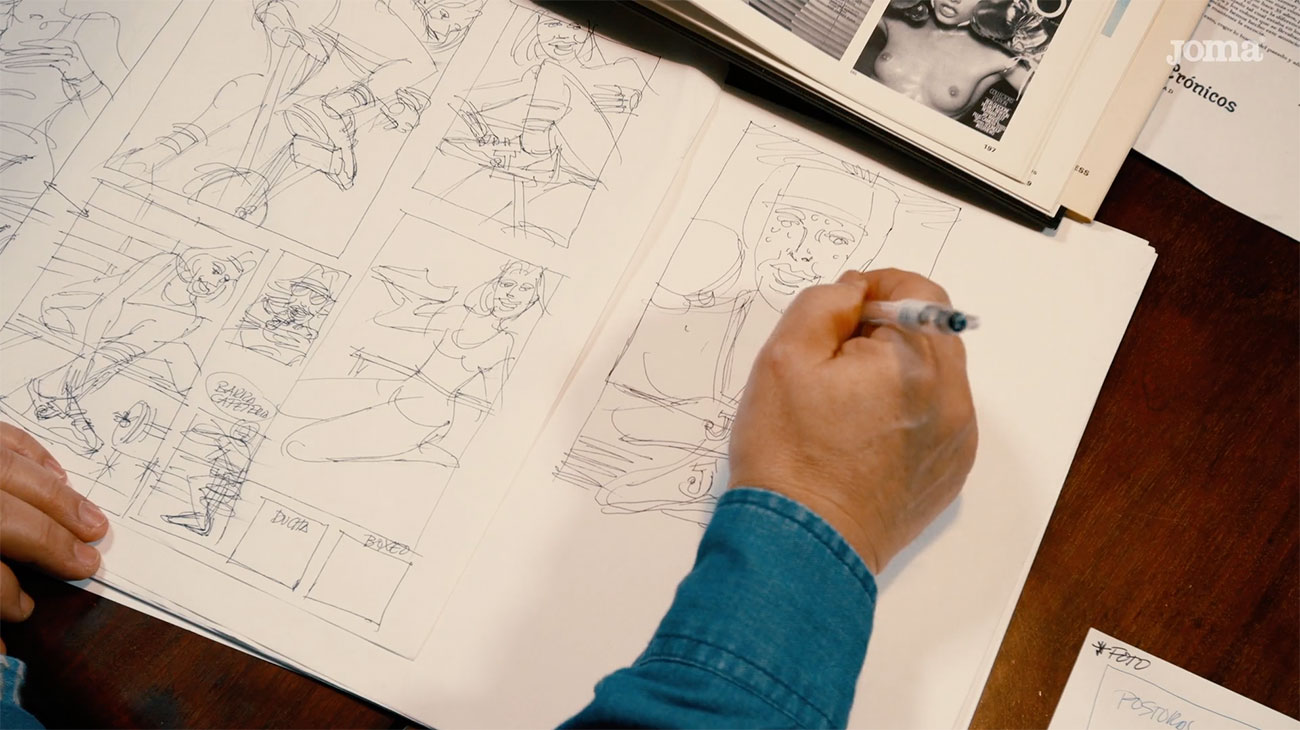
The production of the printed advertisement begins with pencil and eraser in hand. Paco Moro explains it in detail. Everything starts with preliminary sketches, the draft. These give way to a finished sketch, where one of the solutions is chosen and presented to the client in greater detail. Finally, after the client's approval, the final art is carried out, the production of the campaign in the graphic area that will be sent to the printer.
Maeso puts all his know-how into this phase of the project, enjoying every step like a child with new shoes. It is evident that he is overcome with memories and intoxicated by nostalgia. Reviewing the work of those years at Contrapunto, he recalls the day they sent him to a hotel to think about a campaign: “what was important was that the work be excellent.”
Indeed, it was. In 1989, the agency was chosen in Cannes as the international agency of the year. In the eighties, Spain experienced a great awakening, which was materially reflected in nascent consumerism and experienced an intangible development in the consciences of a new democratic society. And they were protagonists of this great change. “Everything was yet to be done,” recalls Maeso.
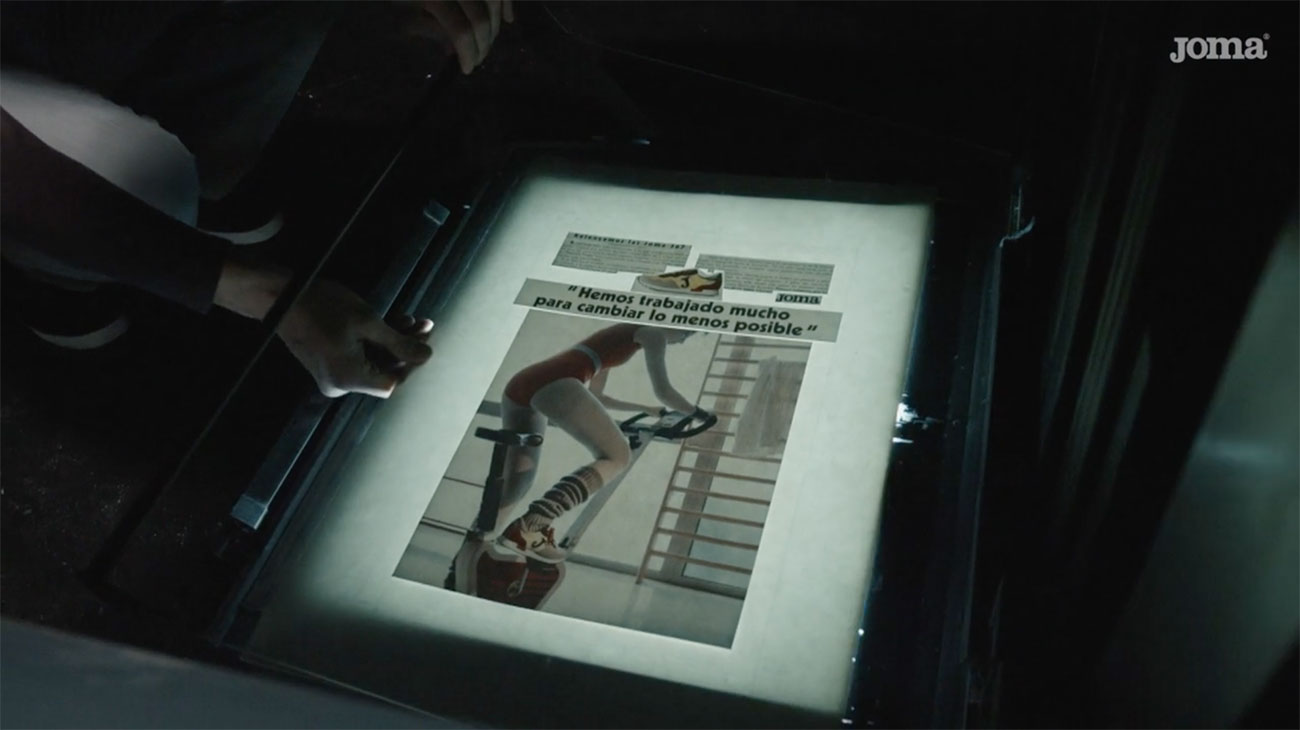
The making of is shown in a spectacular spot more than 10 minutes long that displays all this work. On September 29th, it was presented at La Vía Láctea, a true icon of 'la movida'. The slogan states: “We have worked very hard to change as little as possible.” Indeed, a technological revolution has passed over this and other professions, modifying or eliminating instruments, methods, routines, and specialties; however, as the creators of this campaign demonstrate, this work is still governed by the same vocation.