
4 Benefits of Gamification for Your Brand Strategy

Ángeles Losada · 31 ago 2023
Gamification applies game elements to non-game contexts, boosting engagement, loyalty, virality, and data collection to strengthen brand strategies effectively.
In addition to providing us with hours of fun and social interaction, video games offer us valuable lessons on how to capture and hold an audience's attention. Those principles have materialized in one word: gamification. But what is gamification, and why can this strategy help brands better connect with their customers? Get ready, because in the following post we give you the keys to enter the game and level up.
Start!
What is gamification?
Gamification consists of applying game elements and dynamics in non-playful contexts, such as the field of education or marketing. This term was coined by software designer and programmer Nick Pelling, but it was in 2011 when video game designers Gabe Zichermann and Christopher Cunningham developed the concept of gamification in their book Gamification by Design. In said work, the authors highlight “the importance of the playful experience,” that is, the need to transfer the player's experience to the everyday world.
These mechanics can include points, leaderboards, challenges, badges, and much more. For brands, gamification translates into strategies that not only increase engagement, but also foster long-term customer loyalty. Let’s look at its main benefits.
Benefits of gamification
Increased engagement
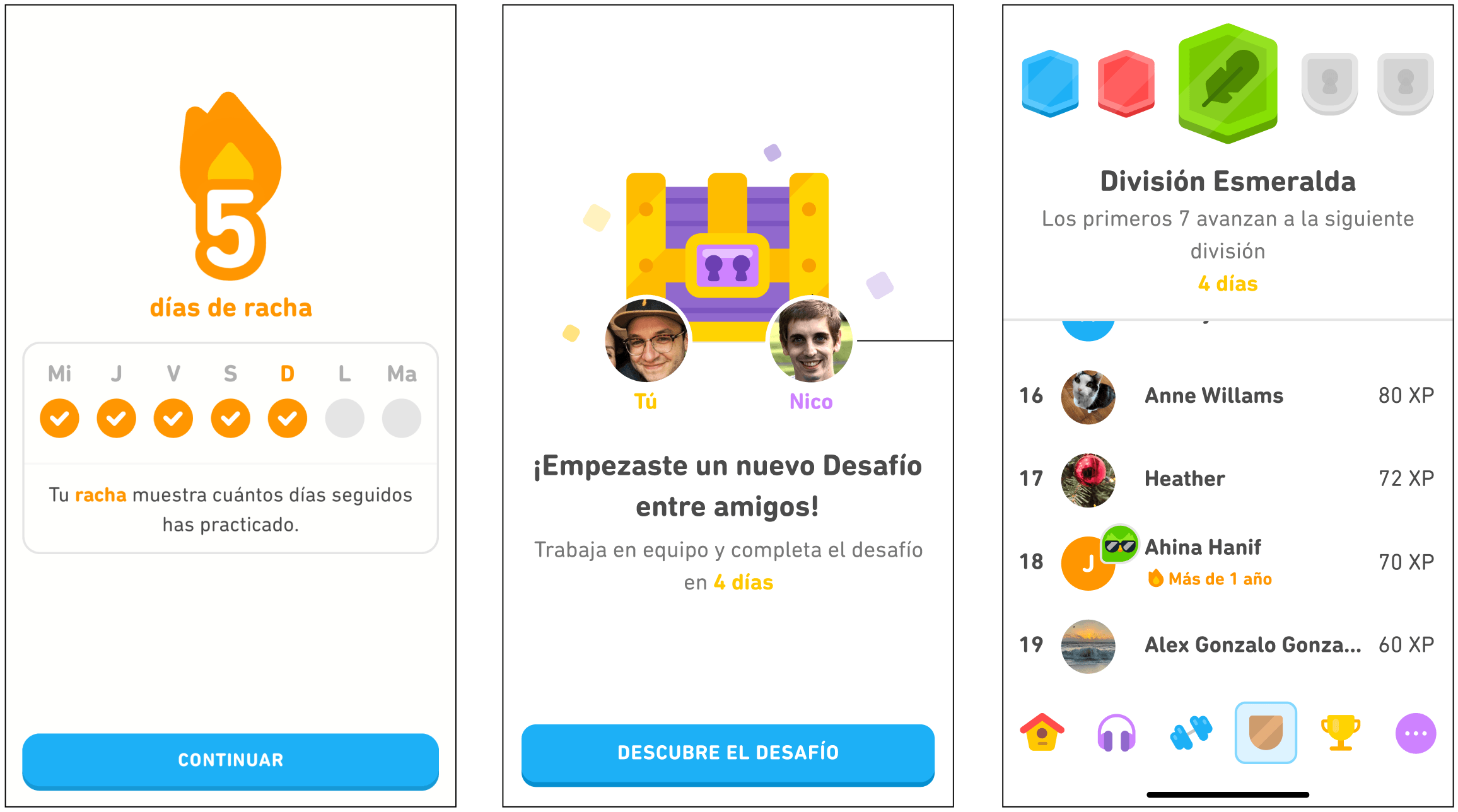
One of the most notable benefits of gamification is the increase in the user's level of engagement with the brand. People are more likely to interact with an application or a website if they feel they are part of an “adventure” or challenge. An excellent example of this is the Duolingo application. The platform uses game elements such as points, leaderboards, and rewards to encourage users to continue their journey in learning a new language. The feeling of progress and achievement keeps users hooked and more willing to return for more.
Brand loyalty
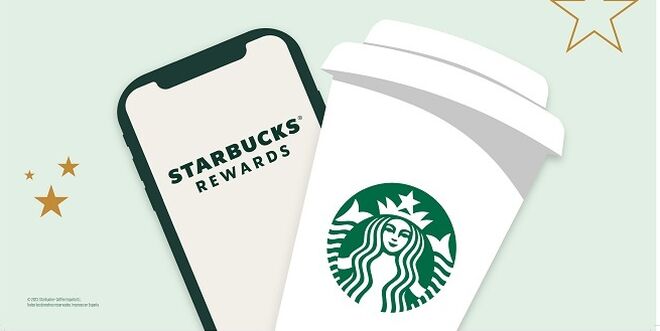
Another crucial benefit is the strengthening of brand loyalty. Starbucks, for example, has incorporated game elements into its mobile app, where customers accumulate stars for every purchase. These stars can be redeemed for free products or discounts, incentivizing customers to return to their coffee shops. By offering additional value, brands can turn a commercial transaction into a rewarding experience for users, who end up feeling a special bond with the brand.
Virality
If you are looking for your content to become a viral phenomenon, gamification can be your best ally. Netflix and Ibai Llanos collaborated on a campaign called 'Unboxing' to generate anticipation around the streaming platform's new releases. The collaboration, which included interactive elements and a short film with high doses of suspense, became a sensation on social media. The result is a viral campaign that not only keeps the audience hooked but also informs them about new products in an exciting way.
Useful data
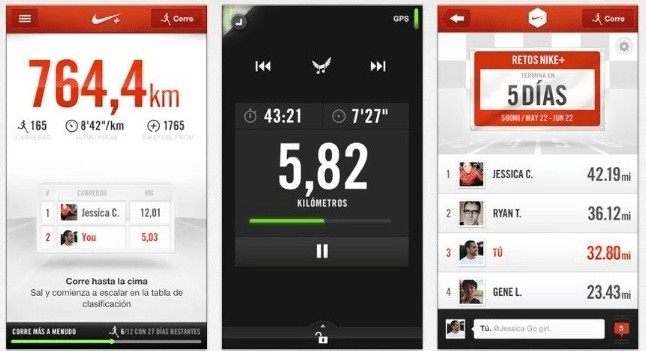
Gamification isn't just fun and games; it is also a source of useful data. Each interaction a user has with a game element becomes a metric that can be analyzed to better understand the audience. Nike, for example, has used its running app to collect data on its users' exercise routines. This information is very valuable to the brand when it comes to developing new products and marketing campaigns.
7 gamification dynamics for your brand strategy
As you have seen, gamification brings many benefits to brands, but how can you incorporate it into your marketing strategy? Below, we give you some ideas for dynamics that you can use:
Challenges and missions
Who isn't motivated by a good challenge? In this type of dynamic, users embark on “missions” that ask them to complete a series of tasks. By completing them, users unlock exclusive prizes and/or discounts. For example, GoPro holds an annual challenge where it encourages users to submit their best video captured with a GoPro camera. Participants have the chance to be part of the GoPro video of the year and win a share of a million-dollar prize. This challenge motivates users to be creative, explore different uses for their GoPro cameras, and share their experiences, all of which fosters a strong connection with the brand.
Points system
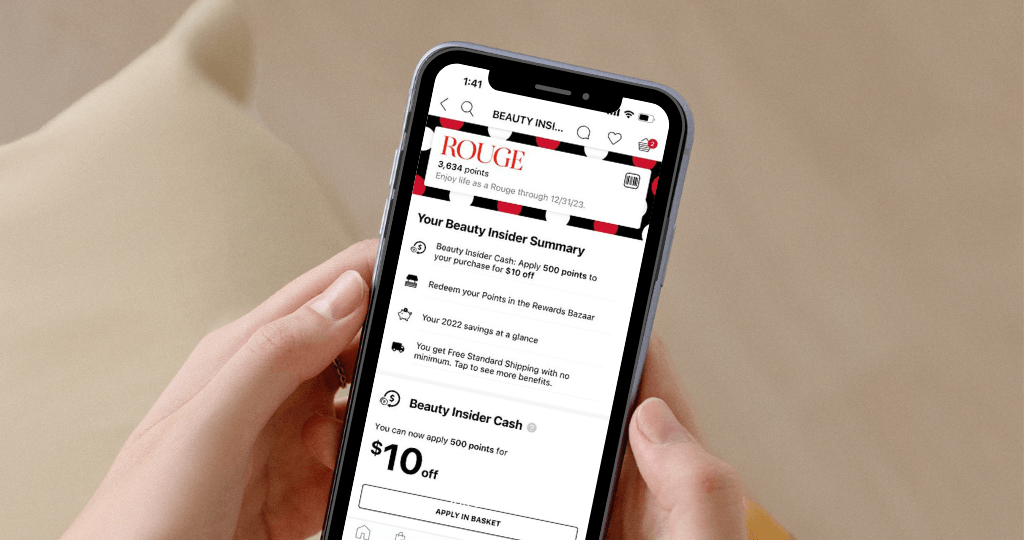
This is one of the most common dynamics. Users earn points for performing certain actions, such as making a purchase, sharing content on social media, or inviting a friend. These points can then be redeemed for rewards, discounts, or exclusive content. Sephora, in its Beauty Insider program, offers points for every dollar spent in its store, which customers can redeem for exclusive products and experiences. This system incentivizes shoppers to spend more to get more rewards.
Leaderboards
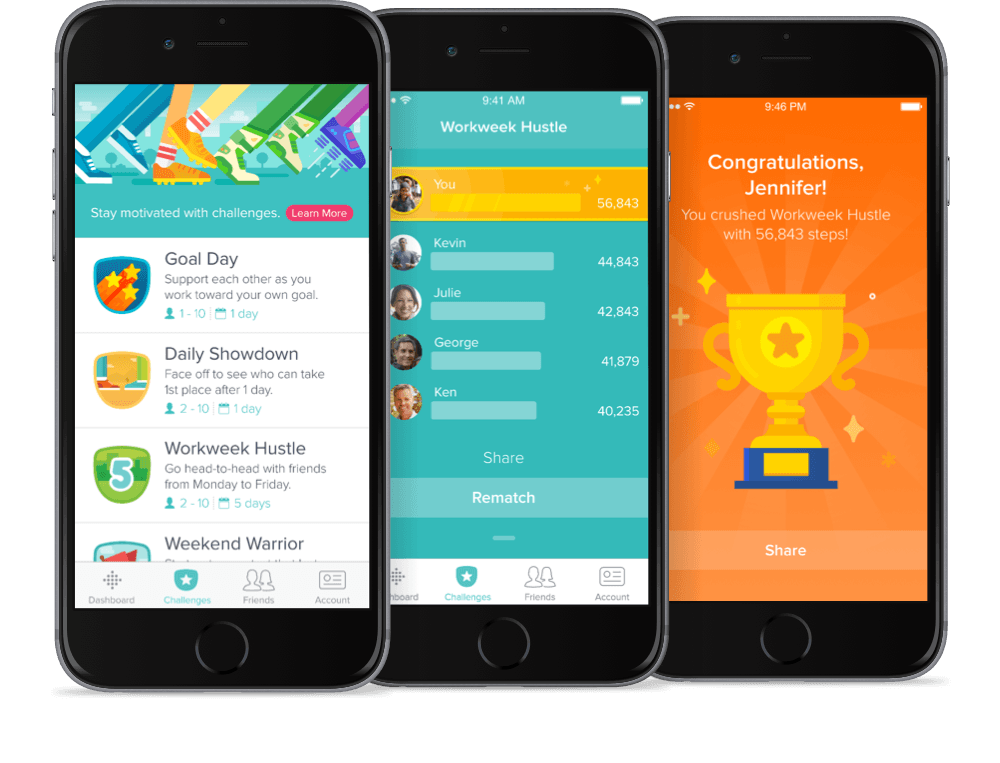
Leaderboards encourage friendly competition by showing who is leading in points, achievements, or any other metric the brand chooses. This encourages users to interact more frequently to move up the rankings. Fitbit allows users to participate in weekly challenges and compete with friends or family on leaderboards, which increases engagement and interaction with the device and the app.
Badges
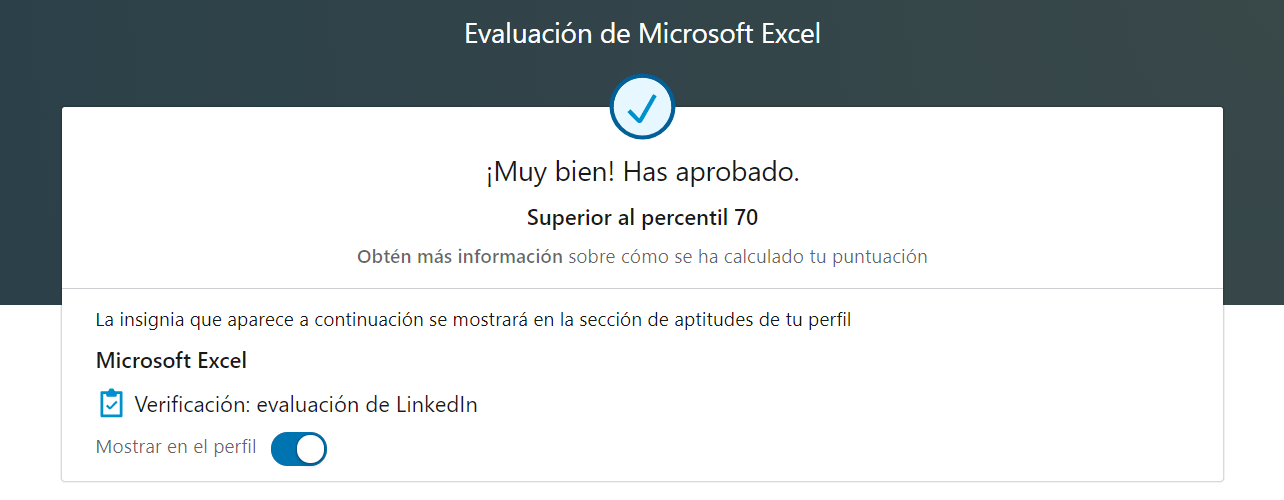
Badges can function as a visual reward system to show the user's achievements and progress. These badges can be shared on social media, which increases your brand's visibility. For example, LinkedIn offers badges that users can earn by completing skill assessments, incentivizing users to improve and showcase their professional competencies.
Narratives and adventures
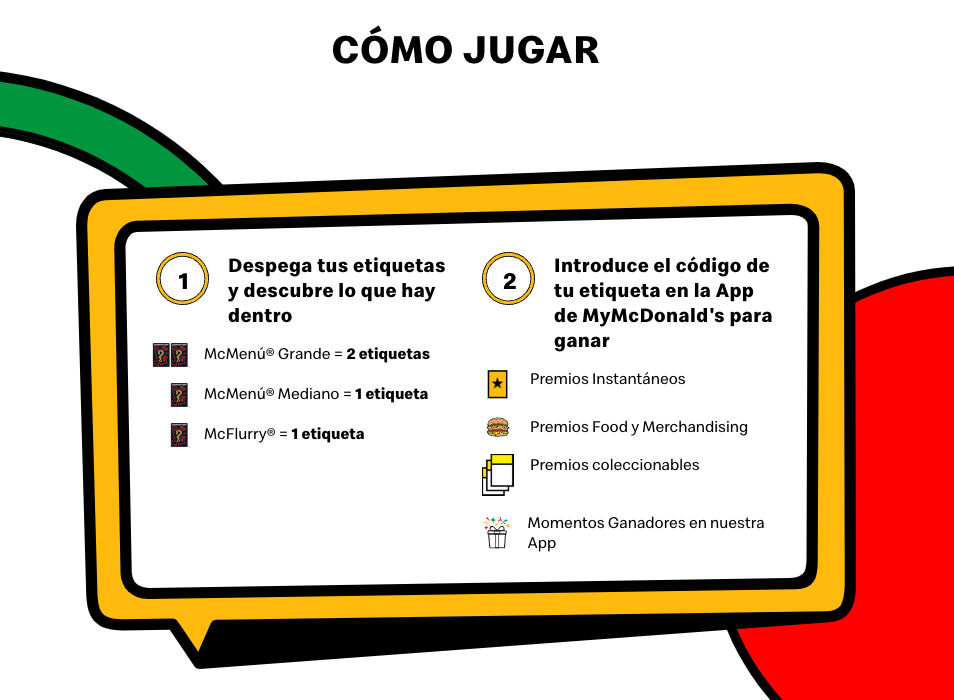
Some brands choose to create a story or narrative around their gamification strategy. Users can embark on adventures, make decisions that affect the outcome, and explore virtual worlds, all while interacting with the brand. The McDonald's Monopoly game is a classic example of how a narrative and game elements can be integrated into a marketing campaign. Customers receive “properties” with their purchases that they can collect to win prizes.
Immediate feedback
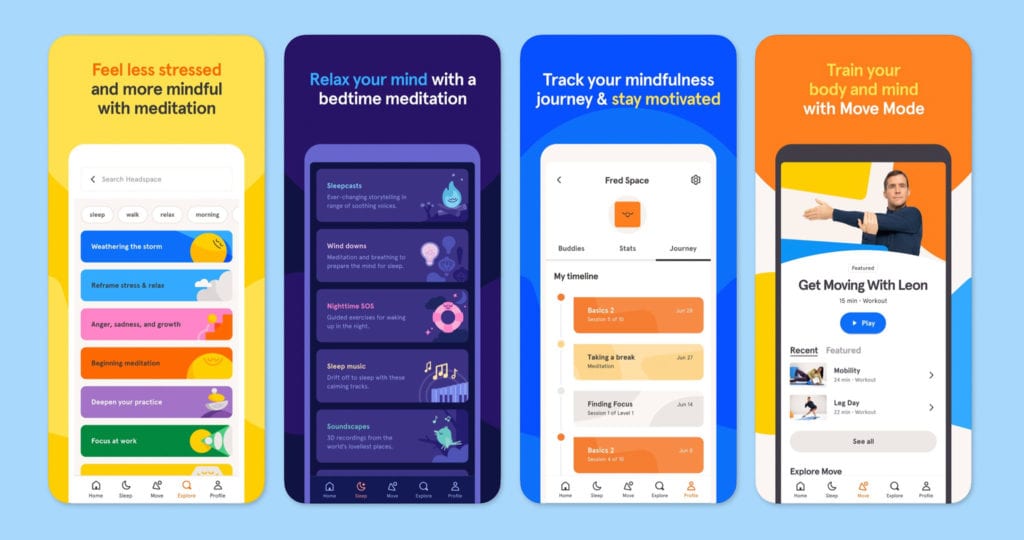
Give your users immediate feedback so they know they are on the right track. This could be as simple as an animation when they complete an action or a personalized message congratulating them on reaching a milestone. The meditation app Headspace offers immediate feedback and progress tracking, with rewarding animations and sounds that activate when users complete a series of meditation sessions.
Mini-games
Do not underestimate the power of a good mini-game, especially on mobile platforms. This could be something related to your product or simply a fun way to pass the time, which also improves your brand's visibility. Coca-Cola created an interactive vending machine called the “Friendship Machine” that was placed at a higher height than regular machines. To get a Coca-Cola, users had to collaborate with each other to reach the button, turning the simple act of buying a drink into a team-work mini-game. Those who succeeded in the challenge received not one, but two Coca-Colas, reinforcing its image associated with sharing and friendship.
When implementing any of these dynamics, it is essential that they are well-aligned with your brand's objectives and values to create a coherent and effective experience for your users.
Conclusion
As you have seen, gamification is a powerful strategy for any brand looking to build a strong and engaged community. By applying game design principles to your marketing strategy, you can significantly increase engagement, foster loyalty, drive virality, and collect valuable data for future actions.
Would you like to apply gamification to your brand's strategy? At Nömad, we can help you find the dynamic that best fits your business goals, aligns with your values, and connects with your target audience.
Ready to level up your brand? Let's talk!