
The 15 Marketing Trends for 2026 That Will Perform Best

Rocio Romero · 26 dic 2025
Explore the 15 key marketing trends shaping 2026, from AI-driven synthetic audiences to authentic human storytelling. Nömad provides insights to help you build a future-ready marketing strategy.
If there's one thing we've learned at Nömad after working on hundreds of digital strategies and analyzing dozens of algorithm changes, it is that you don't wait for the future; you build it. That's why we have compiled and analyzed the marketing trends for 2026 that will truly make a difference.
The reality is that the scalability of AI has changed everything. What sounds like science fiction today will be the standard for your competition tomorrow. Here are the keys to staying ahead of the market.
The rise of the synthetic
We’re starting strong. Among the marketing trends for 2026, Artificial Intelligence is moving beyond being a support tool to becoming an active agent in the ecosystem.
1. Synthetic audiences
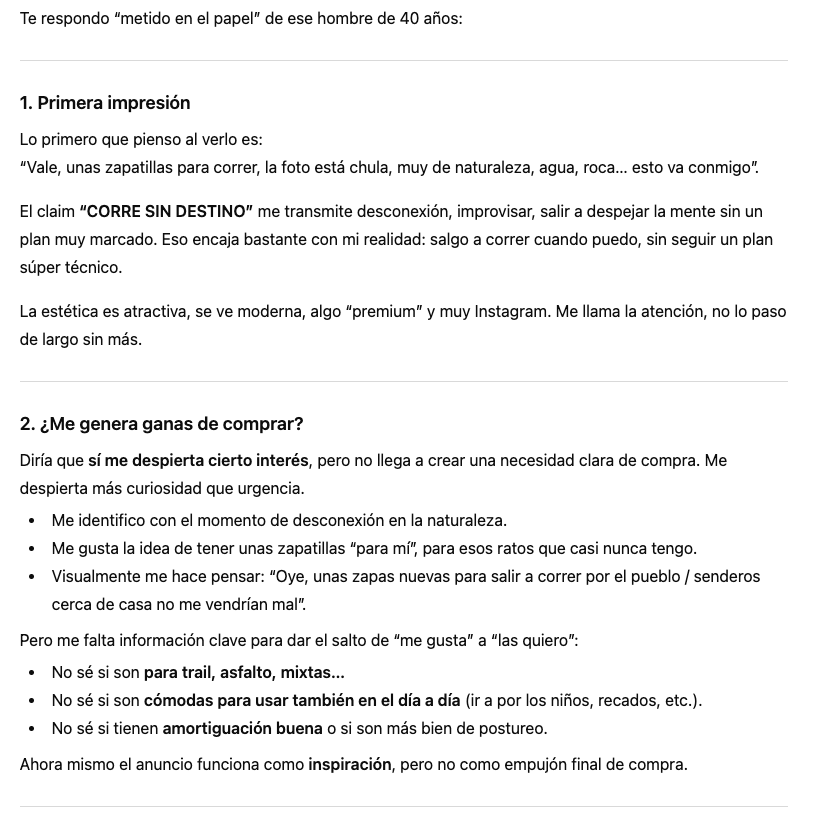
Forget about biased focus groups, surveys that no one answers without a free sample, or testing costing thousands of euros. Synthetic audiences involve using AI to create buyer profiles based on your buyer persona, which you can engage in dialogue with before launching a product.
Practical case for a synthetic audience
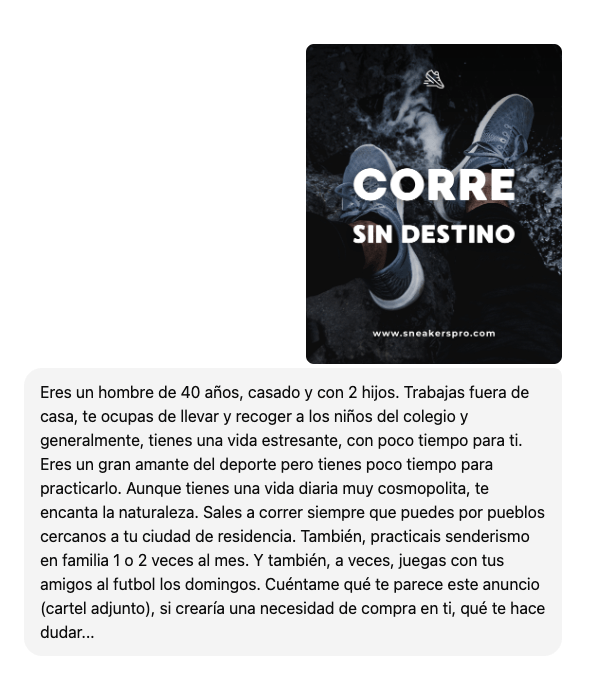
Before launching a campaign, feed an LLM with your customer’s demographic data. Ask it to act as them and present your copy, poster, ad, or spot... And ask it for feedback: if it grabs their attention, if it encourages a purchase, what makes them doubt, what pain point they need solved...
Here is a fictional example:
Input
Output (first part only)
2. AI Influencers
We are no longer talking about just viral experiments. One of the clearest marketing trends for 2026 is that brands will create their own virtual ambassadors to have total control over the message and 24/7 availability.
This is certainly not new, and AI influencers already exist, but the consistency of the characters has evolved to the point where they look completely real. Look!
@fit_aitana is one of the most popular AI-created influencers in Spain.
This image is from 2022.
This video is from 2025.
3. Creativity with AI
One of the main contributions AI makes to our daily lives is that "our creativity no longer has limits." As we discussed in our article on how to use AI without looking like a robot, the key is to use it as a tool and not as if it were a designer.
What can you use it for?
- Materializing your ideas
- Brainstorming
- Synthetic shooting. Already available at Nömad ;)
- Asset animation
- Effectiveness testing between various creative assets
Check out "Made to Connect," our Christmas spot made using AI tools.
Optimization is the buzzword
We won't deny that the word "optimize" comes up about 12 times a day on average at Nömad, whether in task descriptions, chats between colleagues, or client meetings. But it is in 2026 that it will become a true obsession for brands.
4. Total Search SEO and GEO
Classic SEO has evolved. That is already a reality. First, because in 2025, 60% of searches have been Zero Click (imagine in 2026). And second, because the obsession with positioning for SEO specialists is now based on appearing in AI responses (ChatGPT, Perplexity, Gemini...).
5. 100% technological Smarketing (Sales + Marketing)
The alignment between sales and marketing was popularized with the concept of Smarketing over a decade ago. What has changed? It's no longer about the sales manager and the marketing manager meeting once or twice a year. The trend is for AI to bridge the gap.
- Example: If marketing captures a lead, AI decides whether to send it to sales or nurture it further, eliminating human friction and the error of "passing off cold leads."
6. Hyper-personalized automation
The automation of 2026 analyzes behavior in real-time, going beyond a simple "Hello [Name]."
- Example: If a user abandons their cart on a rainy day, the automatic email could be: "We know a gray day is better with a little treat. Here is your cart ready to go."
7. Web hyper-personalization
The static web is disappearing. The landing page takes on a new life depending on the visitor.
How to do it
Use dynamic personalization tools that change headlines based on different parameters such as the origin of the visit, whether it is a new or returning user, the IP's country of origin, etc.
Increase the value of the human
Yes, although it may seem like a contradiction to everything above, the marketing trends for 2026 also point to a return to the human element.
8. Vibe Marketing
Brands no longer sell features; they sell 'vibes'.
- Example: Instead of listing the specifications of a speaker, create a playlist on Spotify and content on TikTok that shows the party. You sell the experience, not the device.
9. Hyper-authenticity (goodbye to perfection)
Showing processes and vulnerabilities connects more than perfection. People are tired of fake content.
How to do it
With a reel of a mistake you made at the company and how you solved it.
Here is an example of a top-tier venture: Veneno Concept. Beyond this video, Alejandra Merit and her team have been broadcasting "live" everything that happens at Veneno since long before it was a reality. Today, her profile has over 100K followers and has become one of the favorite brand loves on Instagram in Spain.
10. UGC as a source of credibility
Compared to the perfection of AI, video recorded with a phone, with bad light but a real opinion, captures the user's attention as a hook.
How to implement it in my strategy
Encourage your community to upload unedited videos or photos through a giveaway, a contest, or simply something that unites them.
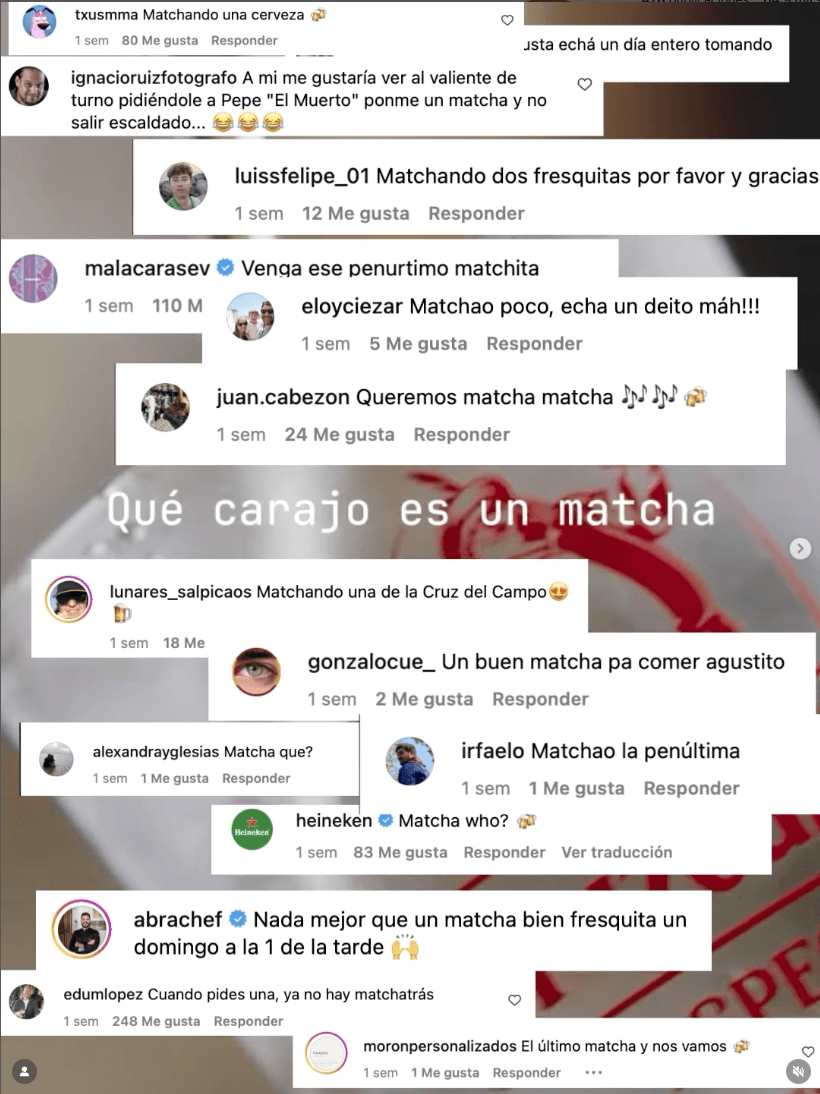
Have you seen Cruzcampo's "What the hell is a matcha" campaign? UGC at its best, as their community manager would say.
11. From Storytelling to Storydoing
Stop telling and start doing. Brands must be facilitators.
- Practical case: If you sell sportswear, organize a free running club. That is Storydoing.
Formats and new frontiers: How will we consume?
To finish this list of marketing trends for 2026, we cannot ignore the where and the how.
12. Short-Form Video
Attention spans continue to fall, but consumption of vertical video has not peaked. TikTok, Shorts, and Reels will continue to reign.
The challenge? Dancing won't cut it. You have 3 seconds to convince the user not to scroll.
Nömad Tip:
Apply the "visual hook" method. Do not start your videos with an introduction ("Hello, I am..."). Start with the action already underway, a controversial sentence, or an impactful final result.
13. Immersive Experiences and Augmented Reality
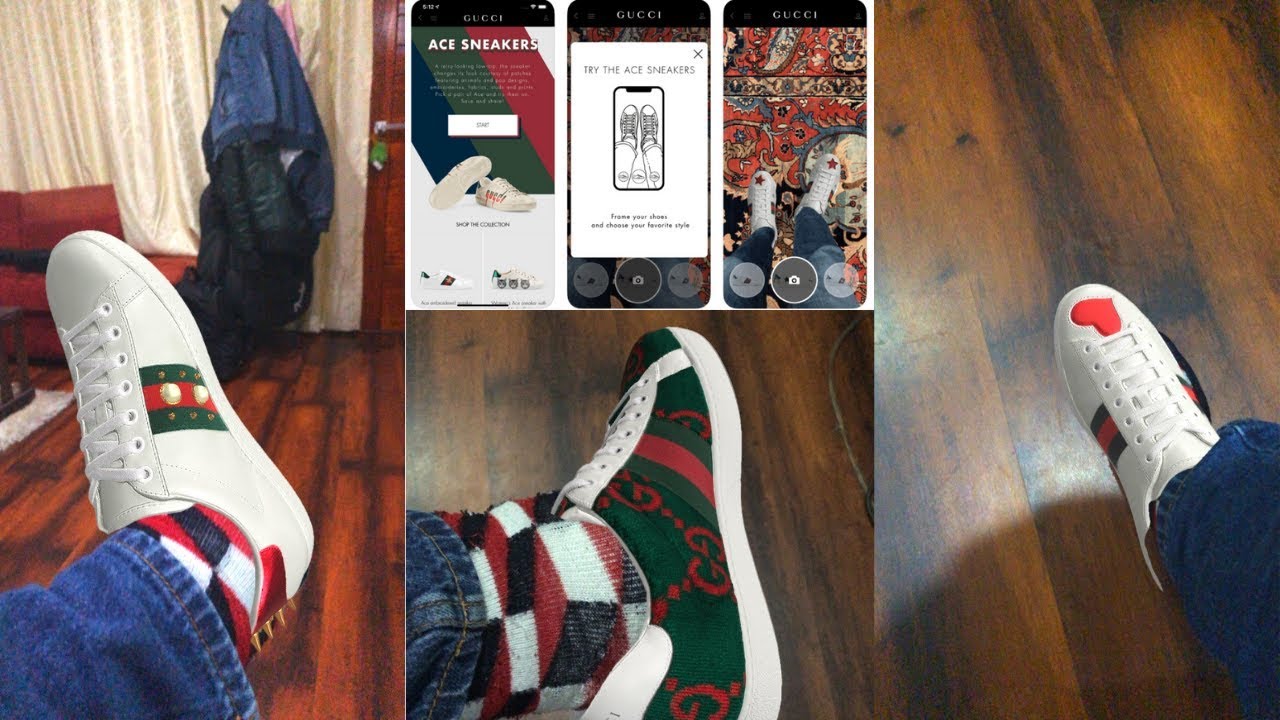
Virtually trying on clothes or seeing how a piece of furniture looks in the living room will be the standard for e-commerce, which in turn can reduce returns.
14. Social Commerce
The goal in 2026 is to eliminate friction entirely: if I see it on TikTok, I buy it on TikTok.
Our prophecy:
Platforms will integrate increasingly invisible payment gateways. Your catalog must be perfectly synchronized on TikTok Shop and Instagram Shopping. Purchasing will stop being a reflective process of "going to the web, adding to cart, and paying" to become a one-click impulse without leaving the app.
15. 360° Campaigns
The user sees you on a Reel, searches for you on Google, receives an email from you, and perhaps ends up visiting your physical store. The message must be consistent across all touchpoints. If you are fun on social media and seem like a corporate lawyer on your website, you lose trust.
Without a roadmap that unifies the message across all channels, a 360 campaign just becomes noise.
Where do I start in 2026?
We know that reading 15 trends at once can be overwhelming. Don't try to apply all 15 tomorrow morning. At Nömad, we recommend choosing one technological one (like starting to tinker with synthetic audiences or improving your GEO positioning) and one human one (like boosting Storydoing).
Mastering these marketing trends for 2026 from today is what will separate the brands that lead from those that follow in their wake.
Can we help you prepare your strategy for the new year?