Artificial Intelligence is rapidly evolving and experts like DotCSV foresee a near future where AI surpasses human capabilities. This edition also covers Threads joining the fediverse, TikTok's status in the US, and a viral campaign by Multiópticas.
Posts
Ideas, copy and a content calendar that sound like your brand
First, we want to welcome all our new subscribers—we are already over 700! As expected, today we bring a good dose of AI (as we mentioned, it remains THE big trend of the year) and the latest news from some of our favorite platforms. Oh, and in case you hadn't heard... we'll tell you which one was THE campaign of the week that you can't miss.
Let's get started!
Artificial Intelligence will surpass humans in a few years.
In the last edition, we talked about the launch of Sora, an artificial intelligence capable of generating realistic videos from a prompt, which made one thing clear: AI still has a lot to offer us.
Without a doubt, in recent years we have seen so many surprising advancements and launches that we always think there's nothing left to be surprised by, and that, despite what Artificial Intelligence is capable of doing, it will never surpass human intelligence.
Are you sure?
This is precisely one of the main topics we discuss in the latest episode of our podcast, where Carlos Santana, better known as DotCSV, chatted with our CEO Pegu Jurado about how Artificial Intelligence has evolved over these years and everything that is yet to come. By the way, Carlos is clear about it: AI will change the world sooner than we think.
The latest
Meta shows the integration of Threads into the fediverse for the first time
Threads is coming to the fediverse, and Meta has officially shown it. During the FediForum conference, Meta's Peter Cottle demonstrated how users will be able to connect their accounts and posts to the fediverse. The integration will allow users to share their posts on different platforms through Threads, enabling them to reach multiple audiences at once.
Meta is just one of many platforms looking to join the fediverse, a group of decentralized social networks that aim to be interoperable with each other.
In case you want to know more details about what the fediverse is, at Nömad, we dedicated an entire post to talking about this concept.
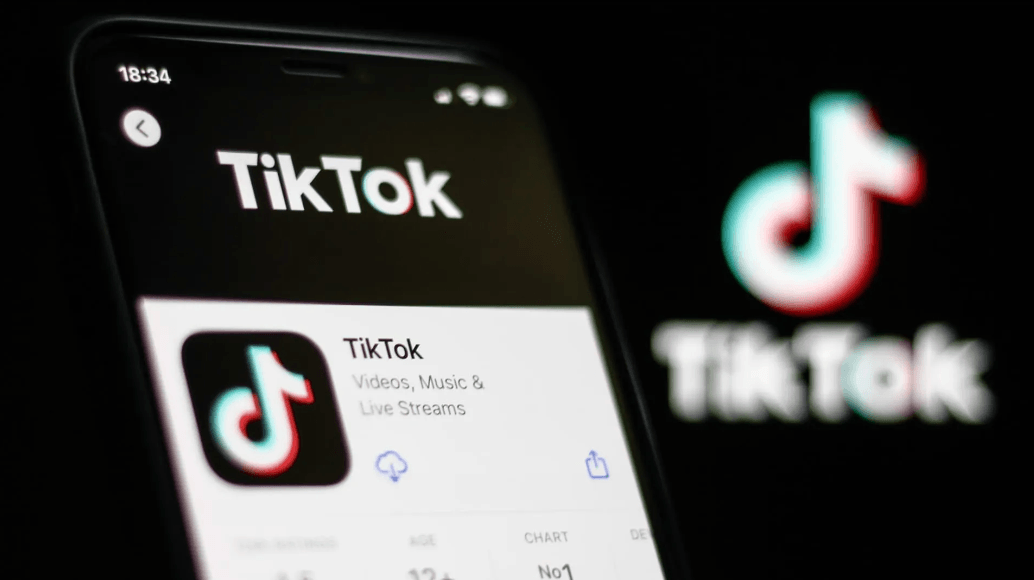
The United States House of Representatives has passed a bill that would ban TikTok in the country, unless its parent company, ByteDance, finds a US-based buyer within six months of the bill becoming law. And although the proposal still has to pass through the Senate, everything points to it being approved.
Currently, TikTok has more than 170 million users in the North American country, and its business is valued between 5 and 40 billion dollars. With this in mind, only tech giants like Meta, Google, or Microsoft have the necessary funds to acquire it, although it would imply facing a public antitrust debate.
For the moment, TikTok is preparing for the legal battle that it will most likely have to face.
YouTube requires content creators to disclose if content has been generated with AI
YouTube has announced its new tool, “Creator Studio,” which will require creators to disclose if their content was generated with artificial intelligence. With this measure, the platform seeks to avoid confusion among viewers, clearly differentiating real content from AI-generated content.
YouTube clarifies that it will not be necessary to specify the use of AI in clearly fictional or animated content, or if AI has been used, for example, as an assistant to generate subtitles. For the platform, the goal of this measure is to identify videos where content has been digitally altered or to “replace the face of an individual with another’s or to generate a voice synthetically to narrate a video.”
The new labels will appear in the video descriptions, and in cases of sensitive topics, YouTube will add a more visible label directly on the video
Campaigns
Kids Walkers
Earlier this week, a controversy erupted on social media because several influencers were promoting a “Kids Walker” service, hiring professionals who offered to walk children on harnesses.
Just two days after announcing the new “Kids Walker” service, and after observing the major stir it caused, Multiópticas revealed itself as the brand behind this campaign via a video and a landing page on its website, explaining that it was an awareness campaign about childhood myopia.
To increase the credibility of the service, Multiópticas relied on influencer profiles who adopted different roles to give visibility to the action and make the public believe it was a real service, in addition to creating social media profiles for the service and even a website.